



















02. Integrated System Architecture
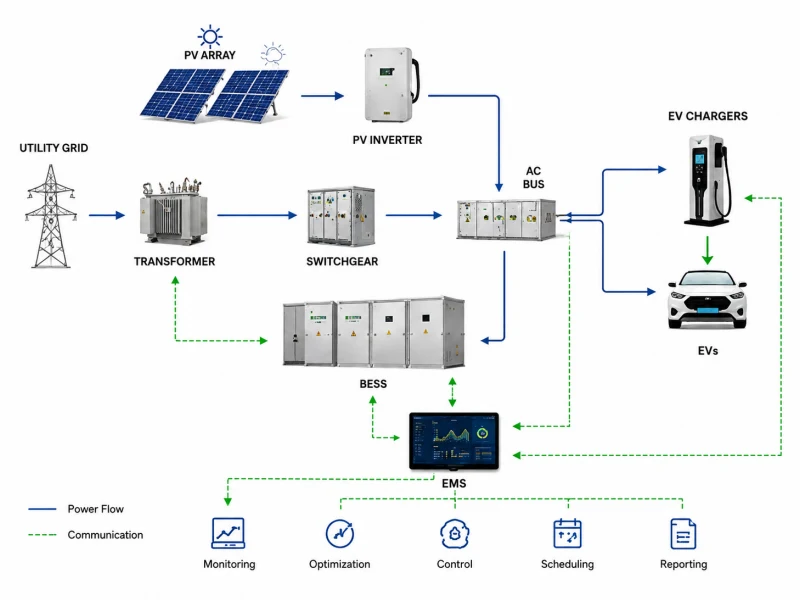
Solar + BESS + Grid + EMS + EV Charging
03.How the System Works
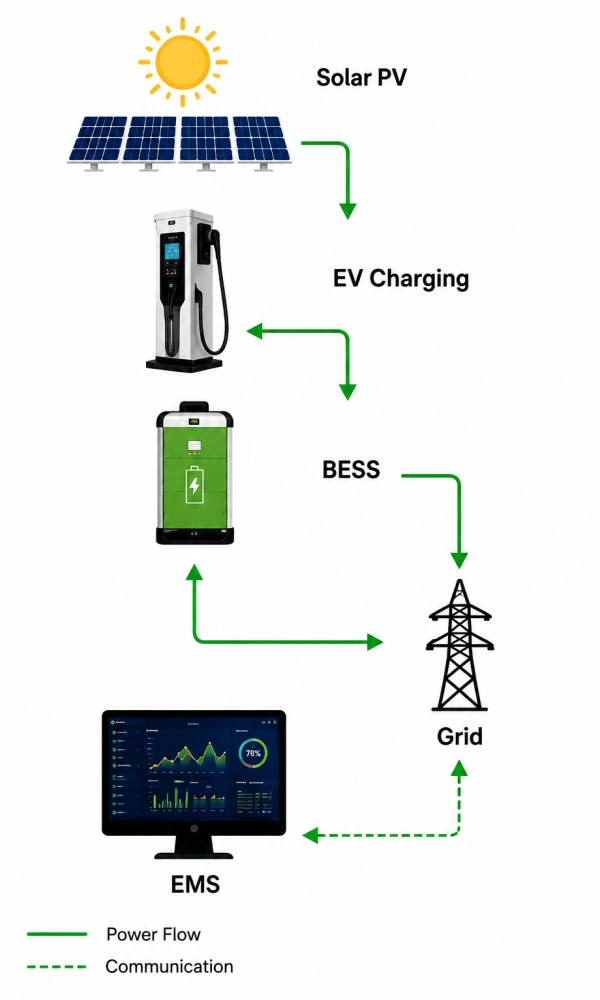
Intelligent Energy Flow from Solar Generation to EV Charging
1
Solar Power Generation: Solar PV generates clean electricity during daylight hours. 2
Direct EV Charging: Solar power is used directly to charge EVs. 3
BESS Charging: Excess solar energy is stored in the battery. 4
Peak Charging Support: Battery discharges to support high-power charging. 5
Intelligent Management: EMS optimizes power flow among solar, BESS, grid, and EV in real time. |
 |
04. Core System Components
Solar PV System
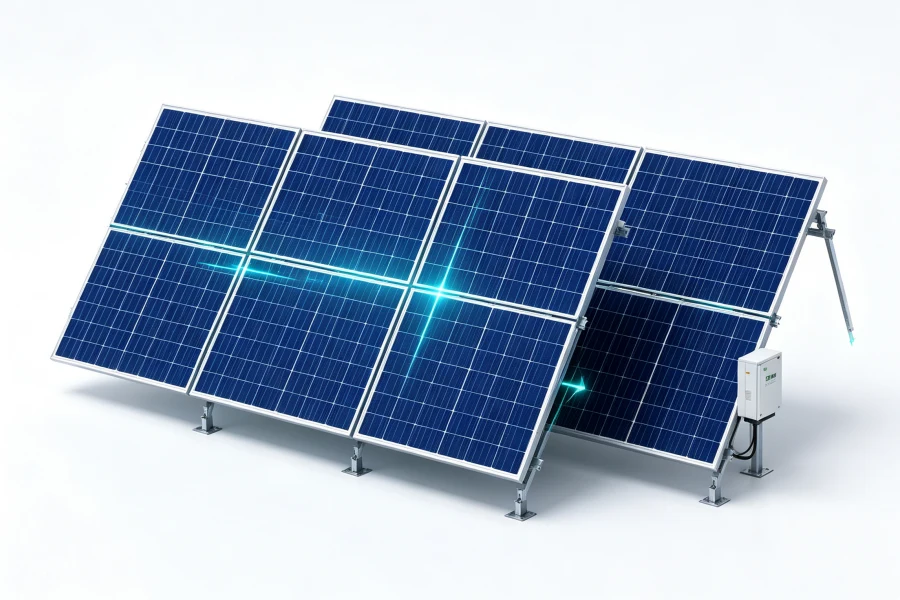
- •Renewable energy generation
- •Direct EV charger supply
- •BESS storage charging
- •Facility load support
- •Grid electricity reduction
- •High efficiency & reliability
Battery Energy Storage System
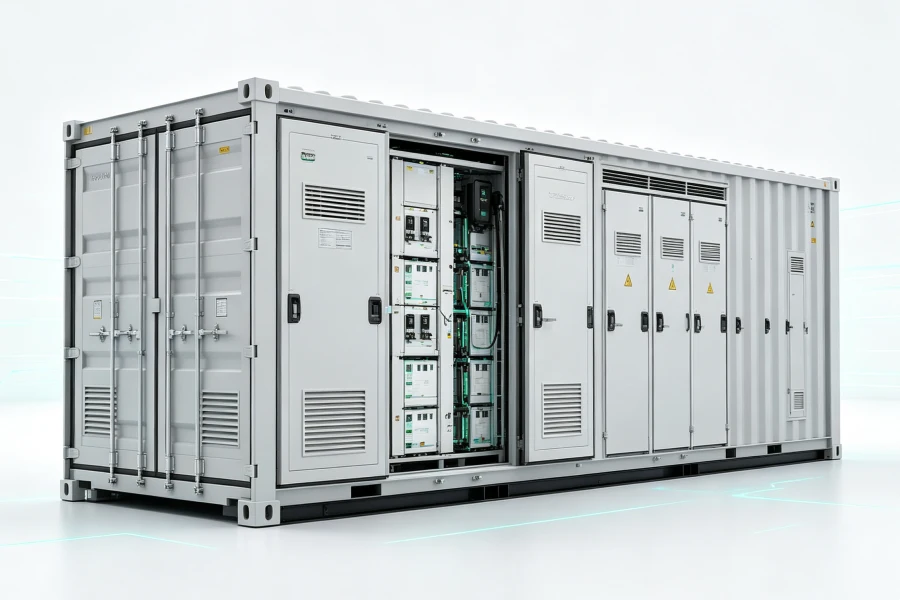
- •Peak shaving & load shifting
- •Solar energy storage
- •Demand charge reduction
- •Emergency backup power
- •Grid frequency regulation
- •Modular & scalable design
電動車充電基礎設施
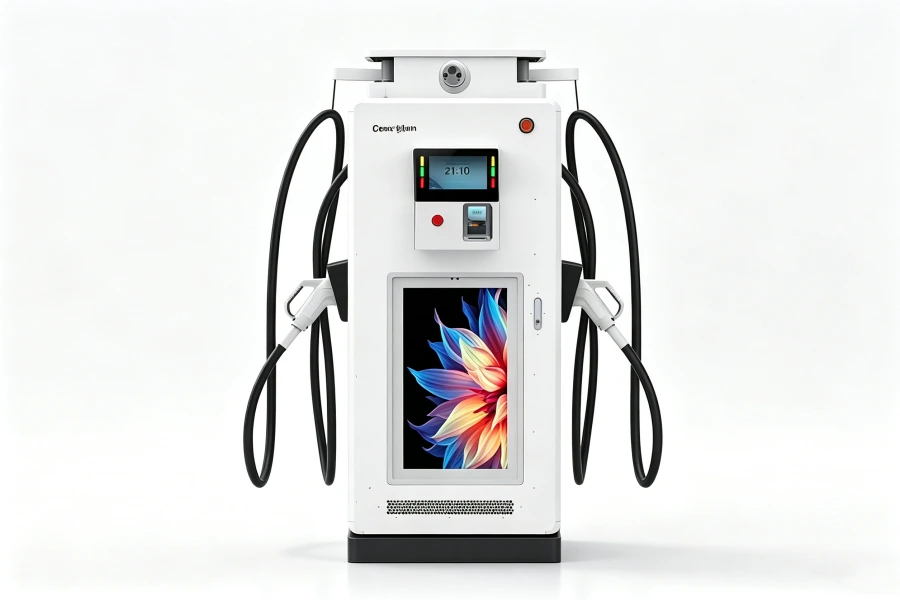
- •AC Charge: 7–44 kW
- •DC Fast: 60–240 kW
- •High-Power: 240–480 kW+
- •Ultra-Fast: 480–1440 kW+
- •OCPP 1.6 / 2.0 protocol
- •Flexible installation options
Electrical Infrastructure
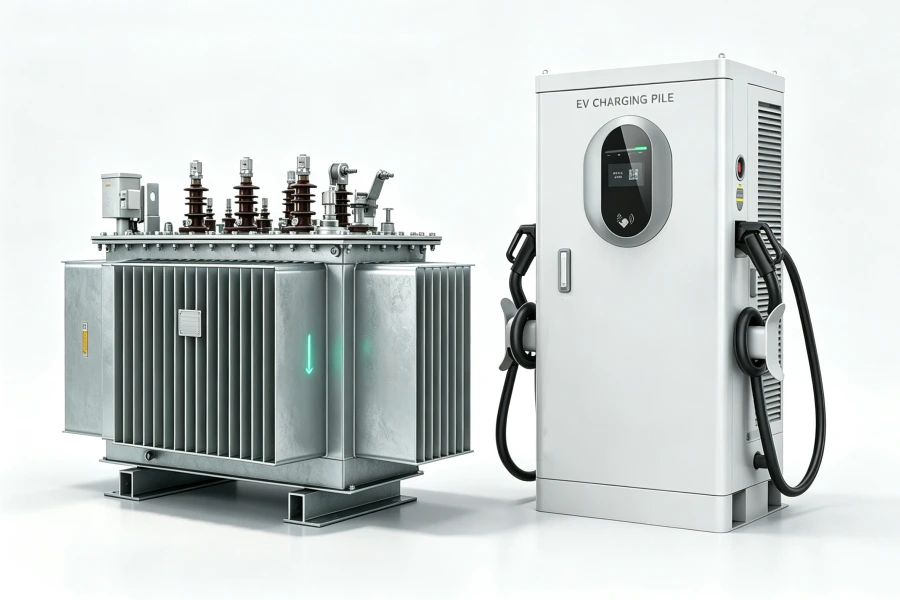
- •Transformer (MV / LV)
- •Switchgear distribution
- •Protection & smart metering
- •Power quality management
- •Surge & lightning protection
- •Compliant with grid codes
Energy Management System (EMS)
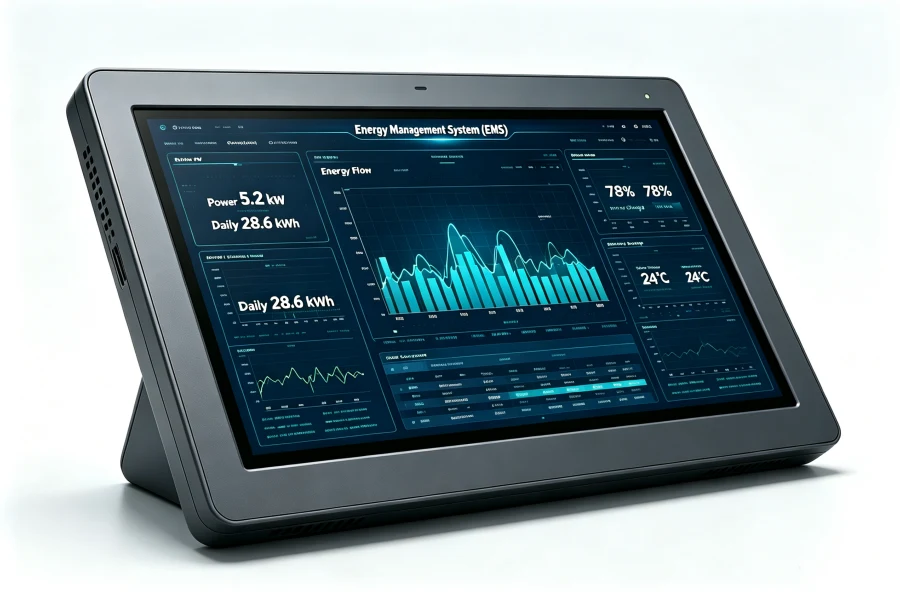
- •Real-time multi-node monitor
- •Intelligent dispatch & VPP
- •動態負載平衡
- •TOU electricity optimization
- •Customizable strategies
- •Big data analytics & reports
5.Typical System Configurations
Scalable Solutions for Different Project Sizes
Peak Shaving Example
06. Key Benefits
07. Applications
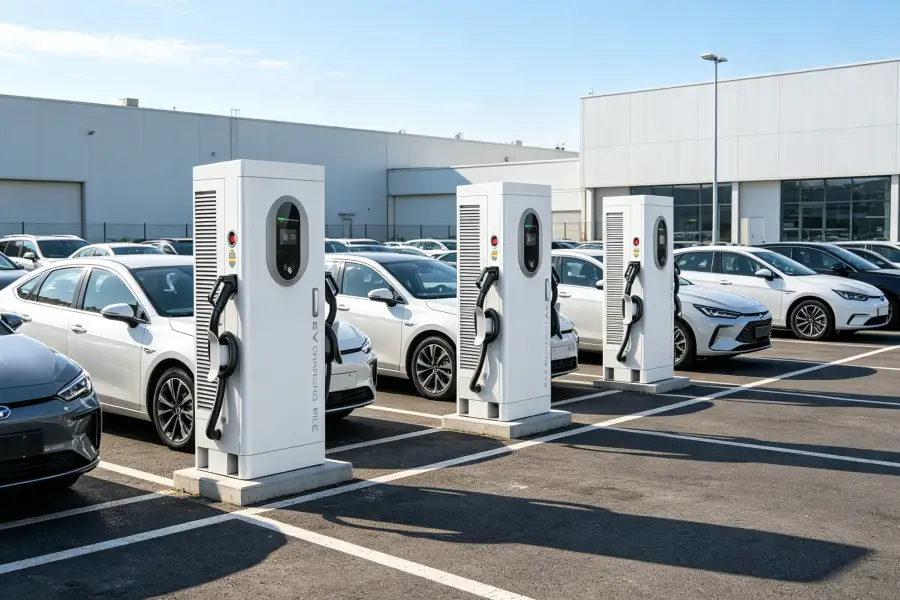
商用電動車充電
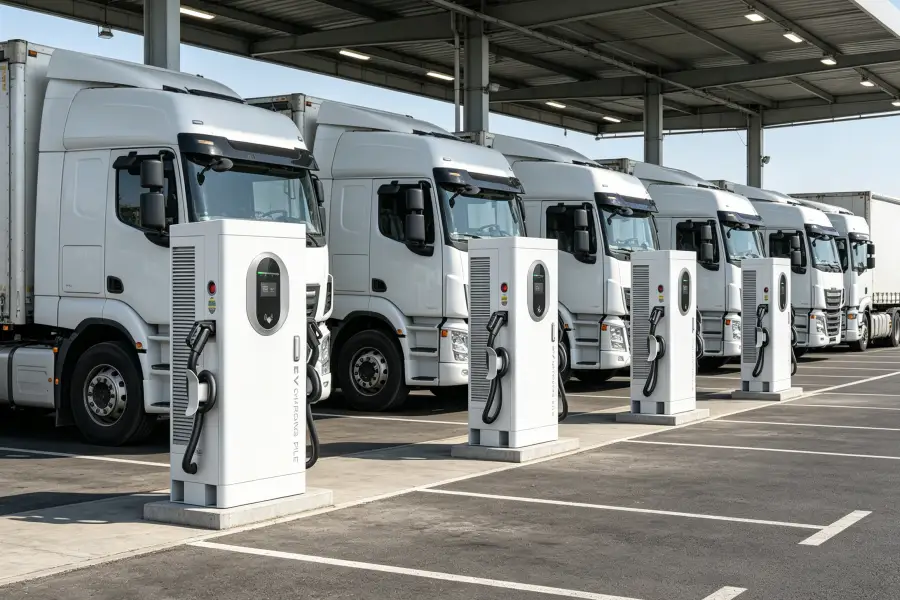
Fleet Charging Depots
Electric Bus Depots
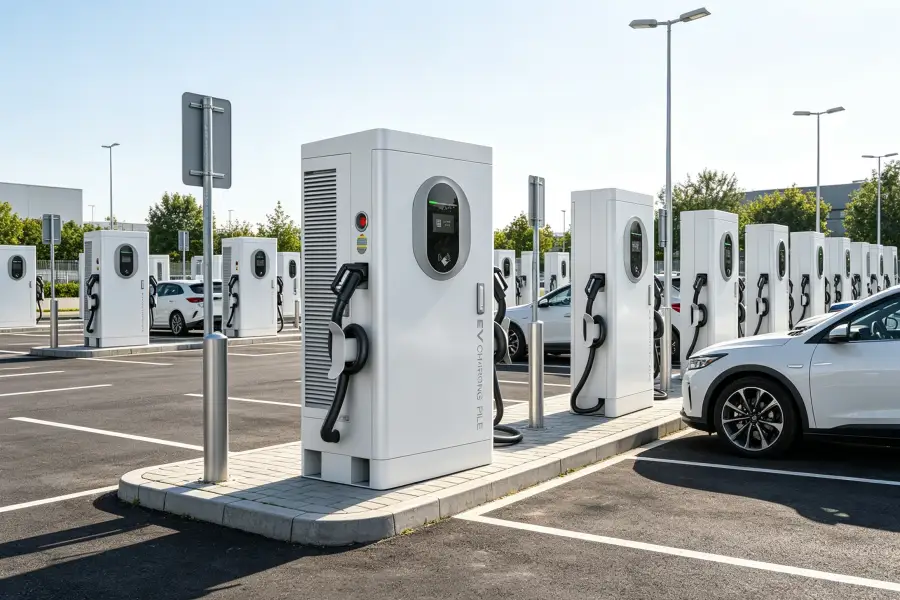
Public Charging Hubs
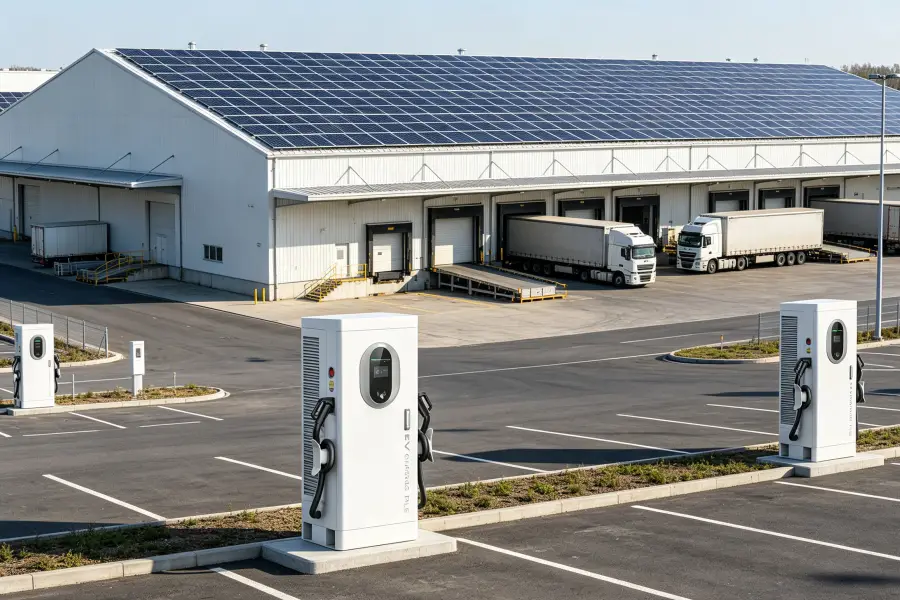
Industrial & Logistics Parks
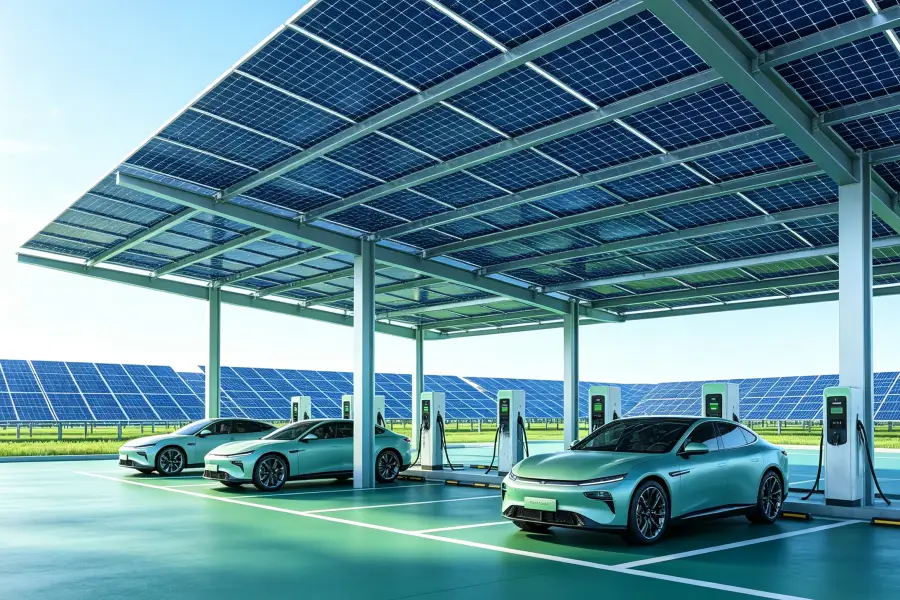
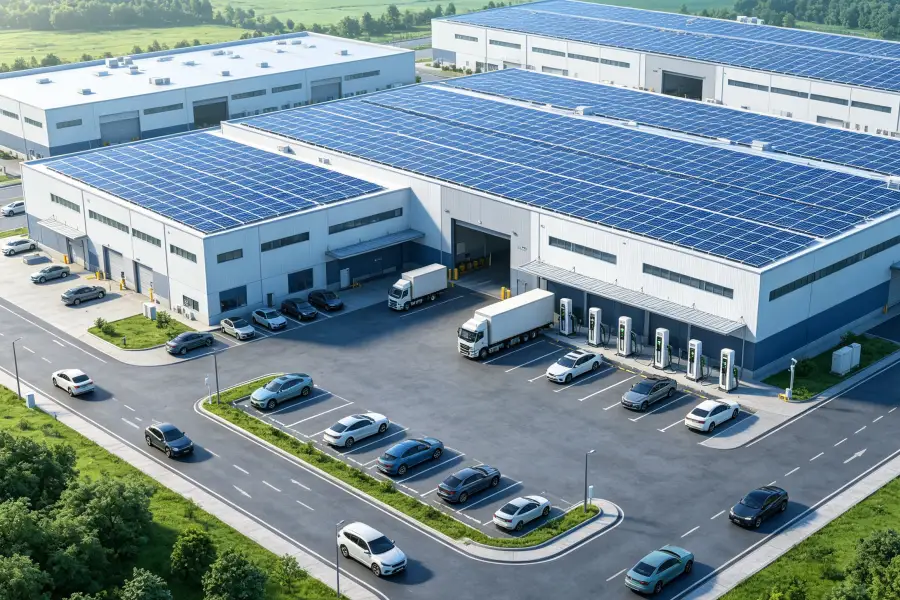
Renewable Energy Charging Hubs
08. Smart EMS Energy Management
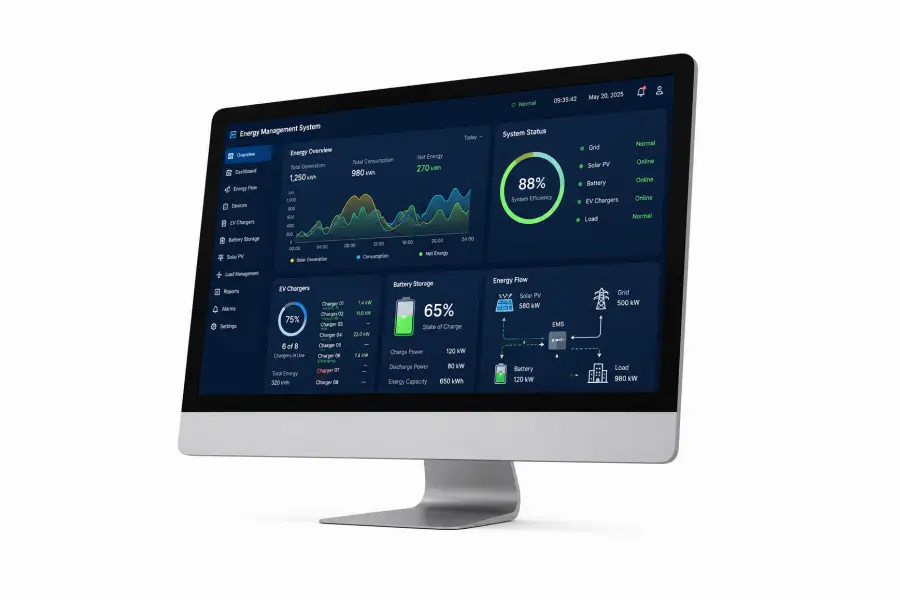
09. Turnkey EPC & System Integration
From Energy Assessment to Complete System Deployment
10. Certifications & Standards
cULus
CSA
ISO
• ISO 15118
• OCPP 1.6
• OCPP 2.0
11. Why Energy Splendor
Solutions
產品
Experience
設計
Support
FAQ-SOLAR + BESS + EV CHARGING SOLUTIONS
We deliver a complete, integrated microgrid package combining high-efficiency solar PV arrays, lithium-ion Battery Energy Storage Systems (BESS), ultra-fast DC fast chargers (DCFC) and AC commercial chargers, and a centralized Energy Management System (EMS) tailored for heavy-duty electric trucks, vans, and commercial bus fleets.
Our BESS utilizes peak shaving, load leveling, and time-of-use (TOU) arbitrage. By storing low-cost solar or off-peak grid energy and discharging it during high-demand charging windows, the system eliminates expensive utility demand spikes and significantly lowers operational costs (OPEX).
Our charging stations and energy storage equipment comply with major global safety and quality standards, including CE, UL, cULus, CSA, and ISO certifications. They also meet IEC 61851 safety standards, ISO 15118 (Plug & Charge and V2G/Vehicle-to-Grid capability), and OCPP 1.6 / OCPP 2.0.1 interoperability protocols.
Yes. Through full OCPP compliance and open API integration, our hardware connects seamlessly with major third-party Charge Point Management Systems (CSMS), depot management platforms, and telematics-driven commercial fleet management software.
Our engineering team conducts site-specific load profiling. We evaluate your fleet route schedules, daily kWh consumption, peak charging power requirements, available footprint, and utility transformer limits to size the optimal kW/MW solar array, MWh battery storage capacity, and 60kW–360kW+ DC fast charging station configuration.
Yes. The BESS can be engineered with islanding capabilities and black-start functionality, providing uninterrupted emergency backup power to keep critical commercial fleet charging operations and depot facilities running during grid outages or blackouts.
Abolutely. Our modular microgrid architecture allows for phased deployment. You can install commercial EV charging points today and scale up with rooftop or carport solar PV panels and containerized BESS units as your fleet electrification grows.
With extensive global EPC and project experience, our power engineers configure grid interconnection parameters, system voltage, frequency (50Hz/60Hz), anti-islanding protections, and local utility compliance rules across North American, European, Asia-Pacific, and emerging markets.
We provide comprehensive 24/7 technical support, including cloud-based real-time EMS performance monitoring, automated fault alerts, over-the-air (OTA) firmware updates, scheduled preventive maintenance, and hands-on operational training for fleet managers.
Our industrial-grade Tier-1 LFP (Lithium Iron Phosphate) BESS modules deliver up to 6,000–8,000 deep charge cycles at 80% Depth of Discharge (DoD), supported by an active Liquid Cooling Thermal Management System that minimizes capacity degradation over a 10–15 year operational lifespan. DC fast chargers and energy storage systems come with comprehensive standard warranties, extended warranty options, and guaranteed performance metrics tailored to your project’s financial model and ROI targets.
For EPCs, Commercial Developers & Fleet Operators
Let’s Architect Your Solar + BESS + EV Charging Infrastructure
Planning a high-capacity commercial, depot, or public DC fast-charging site? Share your project parameters with us—including daily fleet mileage, available solar footprint, utility transformer limits, target charger counts (kW/MW), and battery storage capacity goals (kWh/MWh).
Our microgrid engineering team will analyze your load profiles and deliver an optimized system architecture, Tier-1 equipment sizing, and a complete turnkey project quotation tailored for maximum ROI.
最新消息
Level 1 EV Charger in 2026: 120V Charging Speed, Cost, Installation & Buying Guide
A Level 1 EV charger is the simplest way to charge an electric vehicle at [...]
9 月
CCS2 DC Fast Chargers in South America: 60kW–240kW Buying Guide for Commercial & Fleet Projects
The demand for fast and reliable EV charging infrastructure is increasing across South America, particularly [...]
9 月
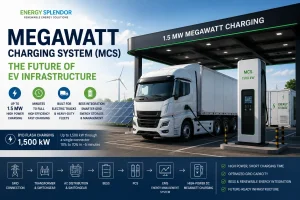
Megawatt Charging System (MCS) in 2026: BYD, 1.5 MW Charging & the Future of EV Infrastructure
The EV charging industry is entering a new power era. For years, DC fast charging [...]
9 月
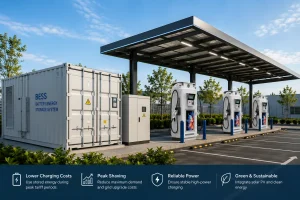
EV Charging Infrastructure in Europe: Complete Guide to Commercial DC Fast Charging Stations in 2026
Europe is entering a new stage of electric vehicle infrastructure development. The demand for EV [...]
8 月