


















Complete Energy Solutions for EV Charging Infrastructure
The rapid growth of electric vehicles is increasing demand for reliable, scalable and energy-efficient charging infrastructure. At the same time, limited grid capacity, high electricity costs, peak demand charges and renewable energy targets are driving businesses to rethink how EV charging sites are powered.
Energy Splendor provides integrated energy solutions that combine EV chargers, solar PV, battery energy storage systems (BESS), grid power, transformers, switchgear and intelligent energy management systems (EMS).
Instead of treating EV charging as an independent electrical load, our solutions are designed around the complete energy ecosystem of the project — from power generation and energy storage to distribution, charging and intelligent load management.
Integrated System Design
Coordinate solar generation, battery storage, EV charging and grid power within one optimized energy architecture.
Scalable Capacity
Configure systems from commercial charging sites to high-power fleet depots and large-scale charging hubs.
Grid Capacity Optimization
Use BESS and intelligent load management to reduce peak grid demand and support high-power EV charging.
Renewable Energy Integration
Increase on-site renewable energy utilization through solar PV generation, battery storage and smart energy scheduling.
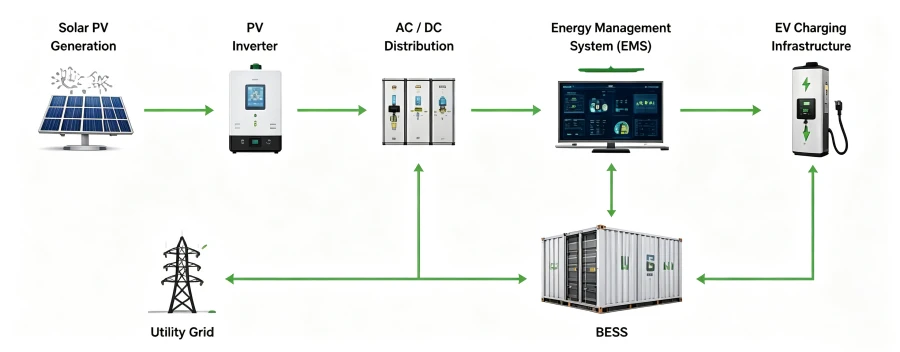
Integrated Solar, BESS, EV Charging & Grid Energy Architecture
Our integrated energy architecture enables power to flow intelligently between solar generation, battery storage, the utility grid, site loads and EV charging infrastructure.
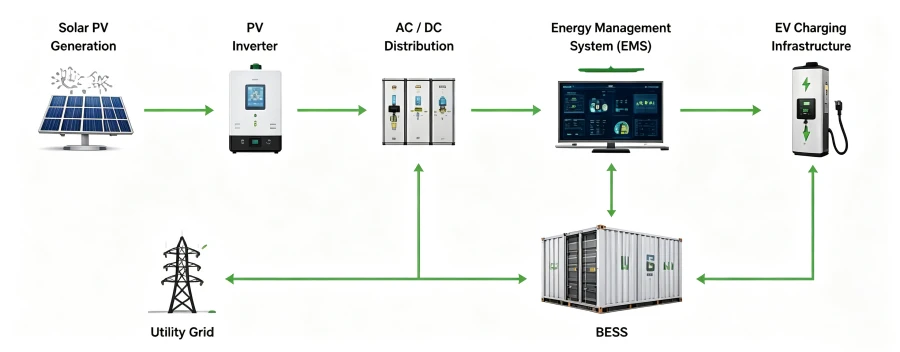
The EMS continuously monitors power generation, battery state of charge, grid demand, site load and EV charging requirements. Based on project operating conditions, the system can prioritize renewable energy, charge or discharge the battery, limit charging demand and coordinate grid power consumption.
Our Core EV Charging & Renewable Energy Solutions
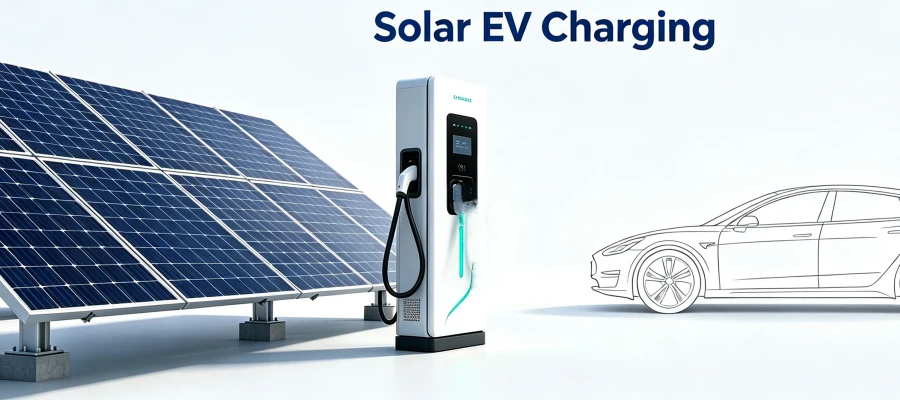
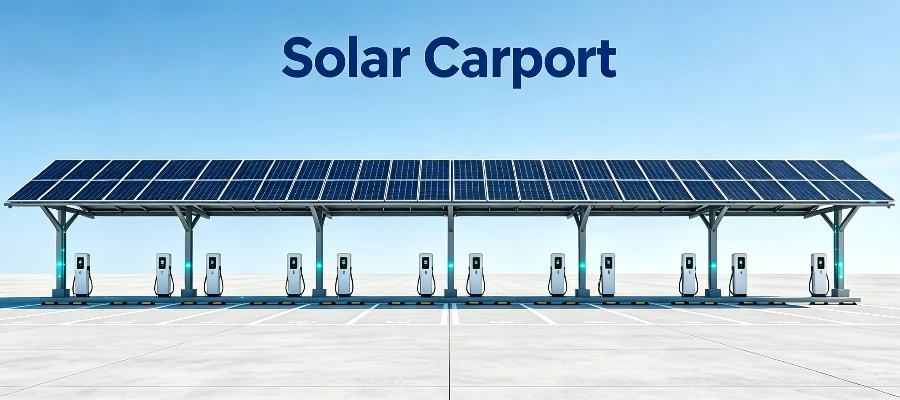
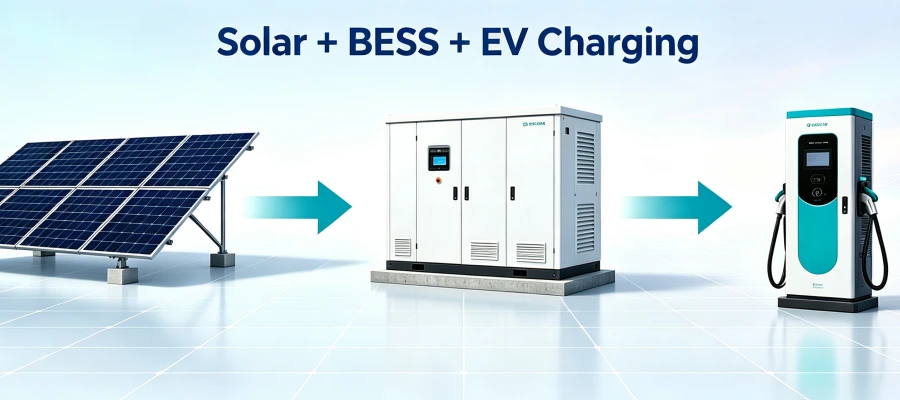
Every EV charging project has different site conditions, grid capacity, energy requirements and operating objectives. Energy Splendor provides five core solution configurations that can be adapted to commercial, fleet, public, industrial and off-grid charging applications.
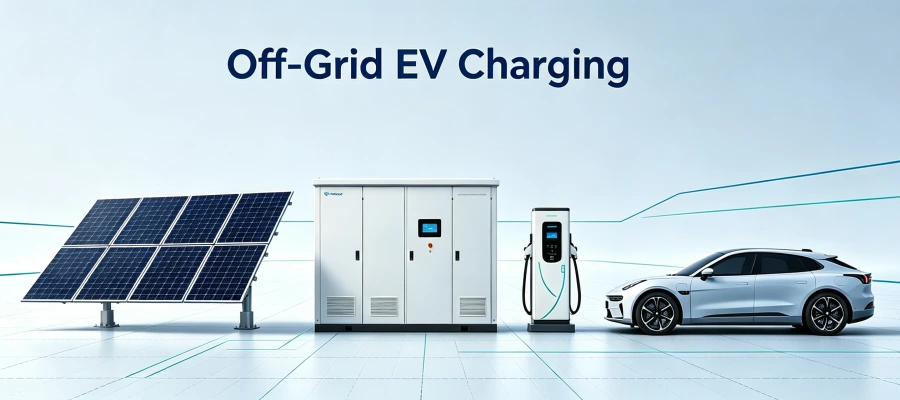
Why Integrate EV Charging with Solar & Battery Storage?
High-power EV charging can create significant electrical demand, particularly when multiple vehicles charge simultaneously. Integrating solar PV and BESS provides additional flexibility for managing energy generation, storage and consumption.
Reduce Grid Dependence
Use locally generated solar energy and stored battery power to reduce reliance on utility electricity.
Manage Peak Demand
BESS can provide additional power during high-demand charging periods and reduce peak grid demand.
Increase Renewable Utilization
Store excess solar generation and use it later for EV charging or other site loads.
Support High-Power Charging
Combine grid power and battery discharge to support charging loads exceeding grid capacity.
Choose the Right Energy Solution for Your Project
Selecting the optimal charging architecture depends on your grid connection capacity, daily charging volume, available space, electricity tariff structures, and sustainability goals. Match your project requirements below to find the tailored solution.
| Primary Project Requirement | Typical Site Application / Objective | Recommended Solution |
|---|---|---|
| Grid Electricity Reduction | Off-setting daytime charging costs using direct rooftop or ground-mounted solar power. | Solar EV Charging |
| Parking Area Power Generation | Utilizing open parking lots for dual-use clean energy production, vehicle protection, and EV charging. | Solar Carport System |
| Limited Grid Capacity & Peak Demand | Sites with restricted transformer capacity needing peak shaving and fast DC charging for commercial fleets. | BESS + EV Charging |
| 24/7 Max Renewable Self-Consumption | High-throughput charging hubs aiming for 100% green energy utilization via solar generation and battery storage. | Solar + BESS + EV Charging |
| Off-Grid & Remote Locations | Remote highway stops, mining sites, or temporary charging deployments with zero utility grid connection. | Off-Grid Microgrid Station |
Need a Customized Energy Architecture?
Our engineering team can evaluate your site conditions, grid capacity, and solar potential to model a tailored system configuration with optimal ROI.
Integrated Energy Infrastructure Components
Energy Splendor coordinates the major electrical and energy components required to build complete EV charging and renewable energy infrastructure.
Solar PV System
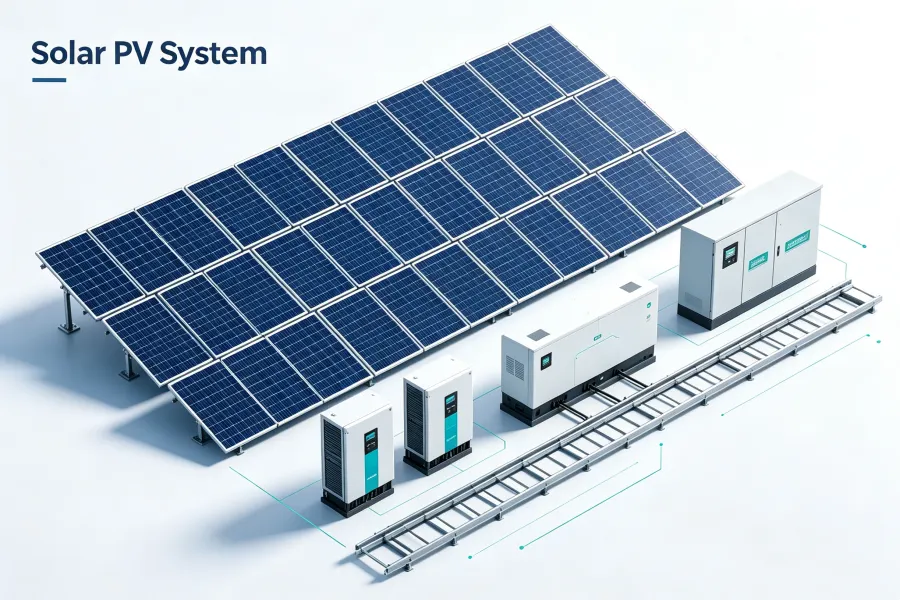
- Solar Panels
- PV Inverters
- Solar Mounting & Carport Structures
Battery Energy Storage System
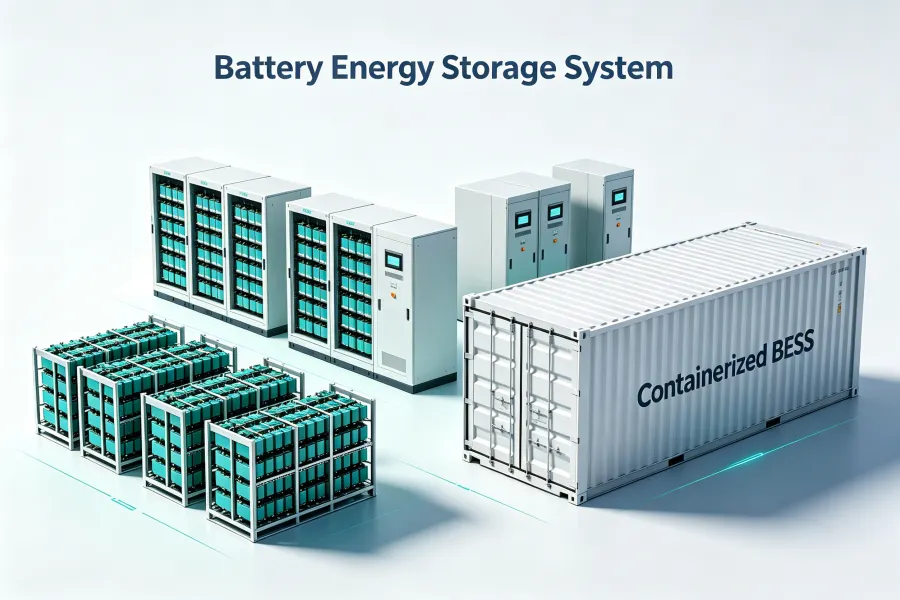
- LFP Battery System
- PCS
- BMS
- Containerized BESS
電動車充電基礎設施
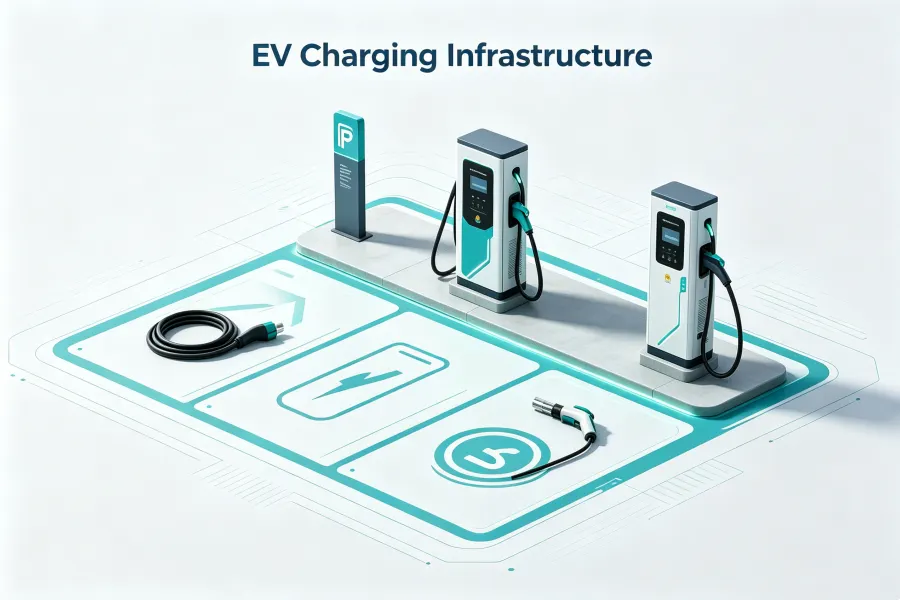
- 交流電動車充電器
- 直流快速充電器
- High-Power EV Charging
Electrical Infrastructure
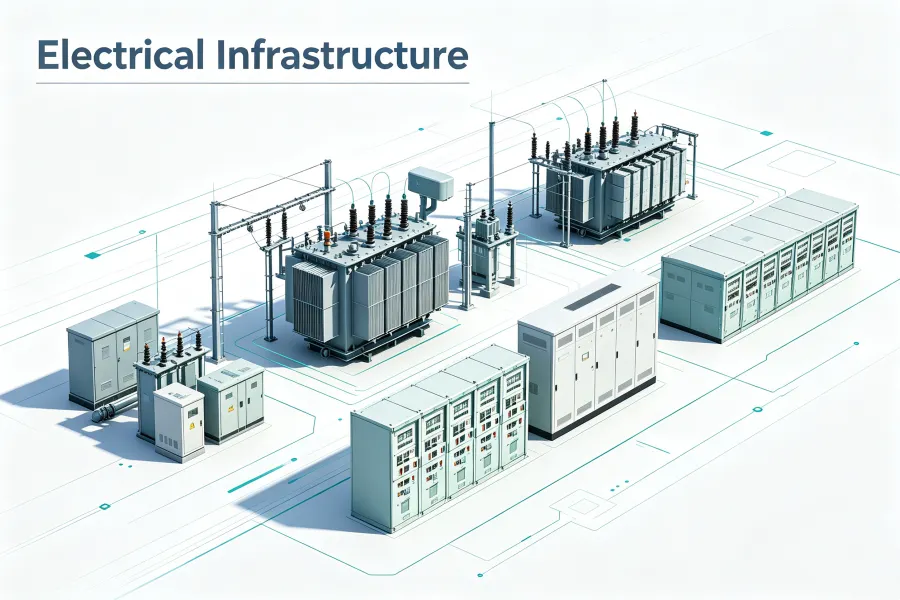
- Transformers
- Switchgear
- Distribution Equipment
能源管理
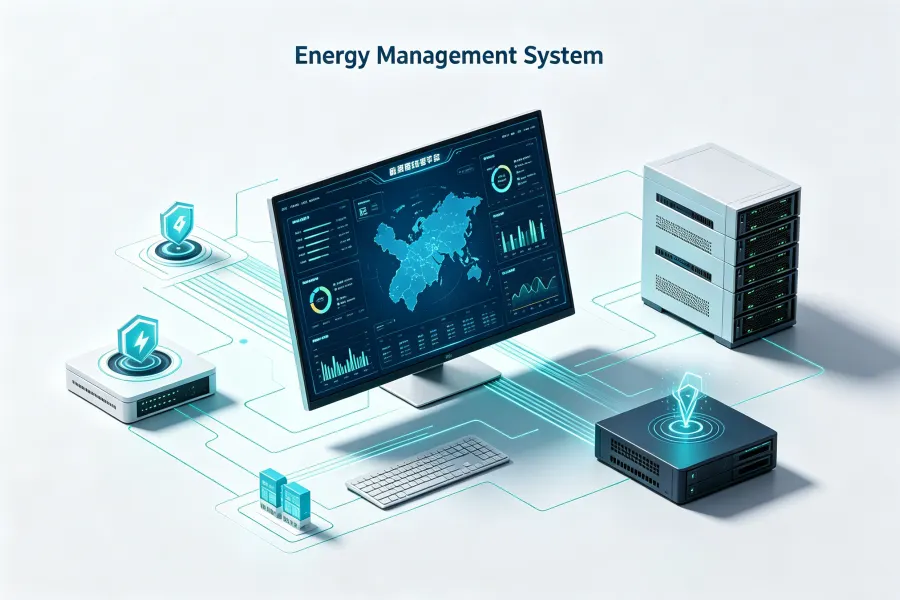
- Energy Management System (EMS)
- Charging Management System
- OCPP Connectivity
FAQ-Integrated Energy Solutions for EV Charging
Integrated energy solutions combine EV charging infrastructure with renewable energy and power management technologies such as solar PV, battery energy storage systems (BESS), energy management systems (EMS), grid power, transformers and switchgear.
By integrating these systems into one coordinated energy platform, commercial and industrial projects can optimize power distribution, manage peak demand, increase renewable energy utilization and support high-power EV charging.
A complete integrated EV charging solution can include solar PV panels, DC fast EV chargers, AC EV chargers, BESS, EMS, transformers, switchgear, power distribution equipment and grid connections.
Depending on the project requirements, the system can be configured as:
- Grid + EV Charging
- Solar PV + EV Charging
- BESS + EV Charging
- Solar PV + BESS + EV Charging
- Solar PV + BESS + Grid + EV Charging
- Off-grid solar + BESS + EV Charging
The final configuration is designed according to the site’s power capacity, charging demand, renewable energy potential and operating requirements.
Solar PV generates electricity during daylight hours and can directly supply energy to EV charging stations. Excess solar generation can be stored in a BESS or exported to the grid, depending on the project configuration.
For commercial charging sites, integrating solar PV with EV chargers can increase renewable energy utilization and reduce dependence on grid electricity during suitable operating periods.
Solar PV capacity can be scaled according to the available installation area and expected charging load, from commercial systems of tens or hundreds of kWp to 1 MW+ large-scale solar PV systems.
A Battery Energy Storage System (BESS) can help manage the high and fluctuating power demand created by DC fast charging.
A BESS can be used for:
- Peak shaving and demand charge management
- Reducing instantaneous grid power requirements
- Supporting high-power EV charging
- Storing excess solar energy
- 提高再生能源的自用比例
- Providing backup or supplemental power where required
For charging hubs with limited grid capacity, BESS can be an important part of the overall power management strategy.
In many projects, yes. An integrated system can use BESS, EMS and intelligent load management to control the amount of power drawn from the grid.
For example, when multiple high-power DC chargers operate simultaneously, the EMS can dynamically distribute available power between EV chargers, BESS, solar PV and the grid.
This can help reduce peak grid demand and potentially minimize the need for costly transformer or grid-capacity upgrades. The actual benefit depends on the site’s existing grid capacity, charging profile and local utility requirements.
Our integrated energy solutions can be designed for applications ranging from commercial AC charging to high-power DC fast charging and ultra-fast charging.
Typical project configurations may include:
- 7–44 kW AC EV charging
- 60–120 kW DC fast charging
- 120–240 kW high-power DC charging
- 320–480 kW commercial and fleet charging
- 480–960 kW+ high-power charging hubs
- 1 MW+ scalable ultra-fast charging infrastructure
The actual charger configuration, number of charging points and total system capacity are customized according to the project load profile and vehicle requirements.
Integrated energy solutions are suitable for a wide range of commercial, industrial and transportation applications, including:
- Commercial EV charging stations
- Fleet and logistics charging depots
- Electric bus charging facilities
- Highway and public charging hubs
- Shopping malls and retail parking
- Office and workplace charging
- 飯店與度假村
- 工業園區
- Mining and heavy-duty vehicle sites
- Transportation and logistics centers
The system can be configured differently depending on charging demand, available land, grid capacity and renewable energy resources.
是的。我們提供 project-oriented EV charging and integrated energy system solutions rather than simply supplying individual charging equipment.
Based on the project information, we can help configure:
- EV charger quantity and power
- Solar PV capacity
- BESS capacity
- Transformer and switchgear requirements
- EMS and energy management strategy
- Grid connection architecture
- Power distribution system
- Charging load management
- Communication and OCPP requirements
For EPC companies, charging operators, distributors and commercial project developers, the solution can be further customized according to local standards and project specifications.
Yes. A grid-connected integrated system can coordinate solar PV, BESS, EV chargers and grid power through an Energy Management System (EMS).
The EMS can monitor power generation, battery state of charge, EV charging demand and grid power consumption, then dynamically control power distribution.
A typical energy flow can be:
Solar PV → EV Charging / BESS
Grid → EV Charging / BESS
BESS → EV Charging
The exact operating strategy can be configured for objectives such as peak shaving, solar self-consumption, charging load management or backup power.
To design a suitable solution, we normally recommend providing the following project information:
- Project location and country
- Number and type of EVs
- Required number of charging points
- Required AC/DC charging power
- EV connector standard, such as CCS1, CCS2 or GB/T
- Existing grid voltage and available power capacity
- Solar PV installation area or target PV capacity
- Required BESS capacity or available installation space
- Daily charging energy or expected charging schedule
- Peak charging demand
- OCPP/CMS and EMS requirements
- Local electrical and certification requirements
Based on these parameters, we can develop the appropriate EV charging, solar PV, BESS, EMS, grid and electrical infrastructure configuration for the project.
For EPCs, Commercial Developers & Fleet Operators
Let’s Design Your Integrated Energy Solution
Planning a commercial EV charging, solar PV, BESS, or integrated energy project? Share your site specifications with us—including power requirements, grid capacity, target charger counts, solar capacity, and energy storage goals.
Our engineering team will evaluate your project requirements and develop a customized system configuration, equipment sizing, energy management strategy, and comprehensive project quotation.
最新消息
Commercial Solar EV Charging Station with BESS: Design, Sizing & Cost Guide
As electric vehicle adoption continues to grow, businesses and fleet operators are facing a new [...]
8 月