



















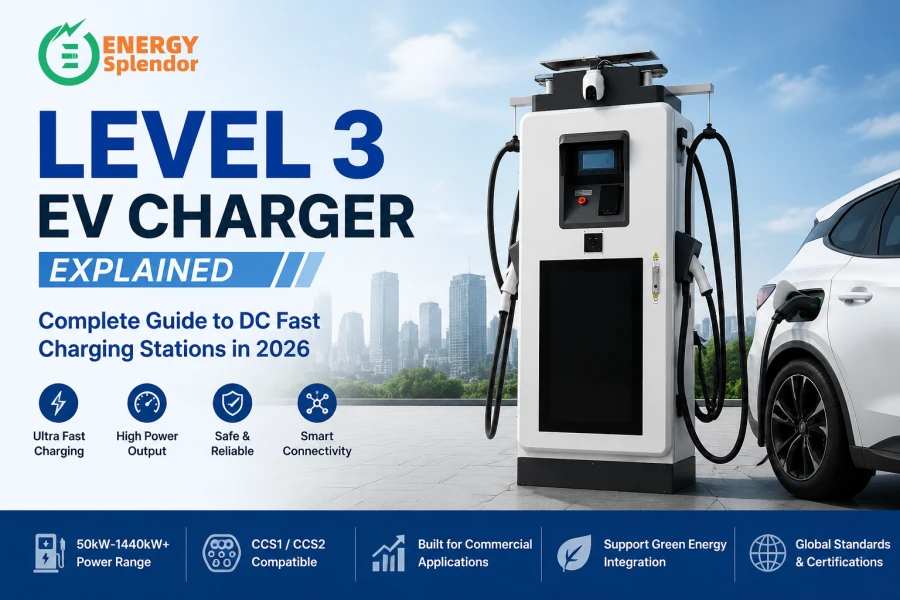
As electric vehicle adoption continues to accelerate worldwide, charging infrastructure has become a critical component of modern transportation systems. For commercial fleets, public charging networks, and large-scale EV infrastructure projects, EV-Ladegeräte der Stufe 3 provide the high-power charging capability required for fast and efficient vehicle charging.
Unlike Level 1 and Level 2 chargers that use AC power, Level 3 EV chargers are Gleichstrom-Schnellladesysteme that deliver electricity directly to the vehicle battery, significantly reducing charging time.
In 2026, Level 3 EV chargers have become the preferred solution for:
- Gewerbliche Elektrofahrzeugflotten
- Highway charging networks
- Logistics and transportation hubs
- Shopping centers and public parking facilities
- Electric buses and heavy-duty vehicles
- Renewable energy integrated charging stations
What Is a Level 3 EV Charger?
A Level 3 EV charger is a high-power DC charging station designed to rapidly charge electric vehicles by converting AC electricity from the grid into DC power before delivering it directly to the vehicle battery.
Because EV batteries store energy as DC electricity, Level 3 chargers bypass the vehicle’s onboard AC charger, allowing much higher charging power.
A typical Level 3 EV charger includes:
- AC power input system
- AC/DC power conversion modules
- Charging control system
- Cooling system
- Communication system
- EV charging connector
- Safety protection components
Compared with slower charging solutions, Level 3 chargers are designed for locations where vehicles need to recharge quickly and return to service.
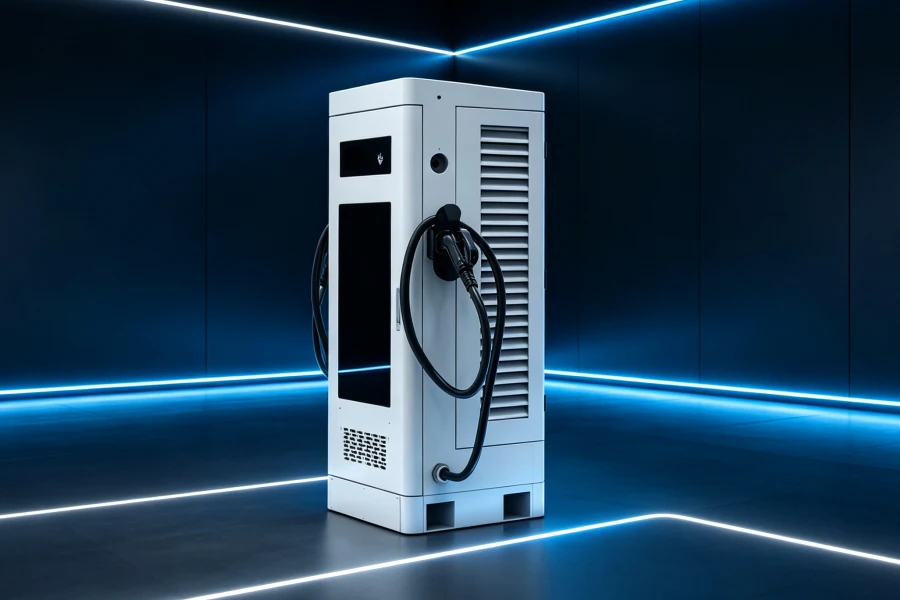
Level 1 vs Level 2 vs Level 3 EV Chargers
The main difference between EV charging levels is charging power and charging speed.
While Ladegeräte der Stufe 2 are suitable for daily charging, Level 3 EV chargers are designed for applications requiring rapid energy delivery.
How Does a Level 3 EV Charger Work?
The charging process of a Level 3 EV charger follows several steps:
1. Grid Power Input
The charger receives electricity from the AC power grid.
2. Power Conversion
High-efficiency power modules convert AC electricity into controlled DC power.
3. Battery Communication
The charger communicates with the vehicle through protocols such as:
- ISO 15118
- CAN communication
- OCPP network management
4. DC Power Delivery
The charger supplies DC electricity directly to the EV battery while continuously monitoring:
- Voltage
- Aktuell
- Temperature
- Akkustatus
This intelligent power management ensures safe and efficient charging.
Level 3 EV Charger Power Ratings
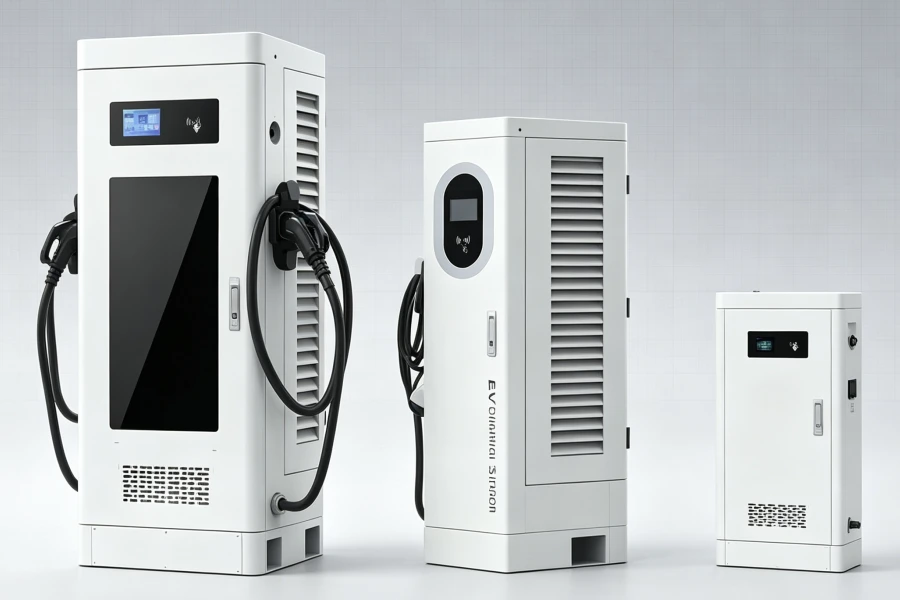
Modern Level 3 EV chargers cover a wide range of power levels depending on application requirements.
50kW–60kW DC Fast Chargers
Suitable for:
- Gewerbliche Parkplätze
- Retail locations
- Small fleet operations
Vorteile:
- Lower installation requirements
- Cost-effective deployment
- Suitable for moderate charging demand
120kW–240kW High Power EV Chargers
Suitable for:
- Ladestationen für Fuhrparks
- Ladestationen an Autobahnen
- Commercial EV infrastructure
Vorteile:
- Faster vehicle turnaround
- Multiple charging ports
- Dynamic power distribution
320kW–1440kW Ultra Fast Charging Systems
Entwickelt für:
- Heavy-duty vehicles
- Electric trucks
- Large charging hubs
- Future high-power EV networks
These systems typically use:
- Modular power cabinets
- Liquid cooling technology
- Intelligent energy management
Learn More:How to Start a Profitable EV Charging Business in Africa (2026 Complete Guide)
How Fast Can a Level 3 EV Charger Charge an Electric Vehicle?
Charging speed depends on:
- Charger power output
- Vehicle battery capacity
- Battery charging capability
- State of charge
Typical charging times:
For commercial fleets, higher-power Level 3 chargers help maximize vehicle availability and reduce operational downtime.
How Much Does a Level 3 EV Charger Cost?
The cost of a Level 3 EV charger depends on:
- Ausgangsleistung
- Number of charging ports
- Installation requirements
- Grid connection
- Software platform
- Additional energy storage systems
Typical equipment costs:
A complete charging project may also include:
- Transformer upgrades
- Electrical installation
- Civil construction
- Energy management system
- Battery storage system
Level 3 EV Charger Connector Standards
Different markets use different charging standards.
CCS1
Common in:
- Vereinigte Staaten
- Kanada
CCS2
Common in:
- Europa
- Australien
- Südamerika
- Middle East
CHAdeMO
Previously popular in Japan and some international markets.
GB/T
Used mainly in China.
For international commercial projects, CCS1 and CCS2 remain the most widely adopted DC fast charging standards.
Where Are Level 3 EV Chargers Used?
1. Commercial Fleet Charging
Fleet operators require reliable and fast charging solutions for:
- Delivery vehicles
- Electric vans
- Company fleets
- Logistikfahrzeuge
2. Highway Charging Stations
Level 3 chargers enable long-distance EV travel by providing rapid charging along major transportation routes.
3. Public Charging Networks
Charging operators use Level 3 EV chargers to provide convenient fast charging services in:
- Einkaufszentren
- Parkmöglichkeiten
- Service areas
4. Electric Bus and Truck Charging
Heavy-duty electric vehicles require higher charging power due to larger battery capacity.
High-power Level 3 charging systems support:
- Elektrobusse
- Mining vehicles
- Electric trucks
- Gewerbeverkehr
Level 3 EV Chargers with Solar and Battery Storage
As charging demand increases, many commercial projects are integrating:
- Photovoltaikanlagen
- Batterie-Energiespeichersysteme (BESS)
- Ladestationen für Elektrofahrzeuge
- Energy Management Systems (EMS)
A solar + BESS + EV charging solution can help:
- Reduce peak electricity demand
- Improve grid stability
- Increase renewable energy utilization
- Support off-grid and remote charging applications
For large-scale charging infrastructure, integrated energy solutions are becoming an important development trend.
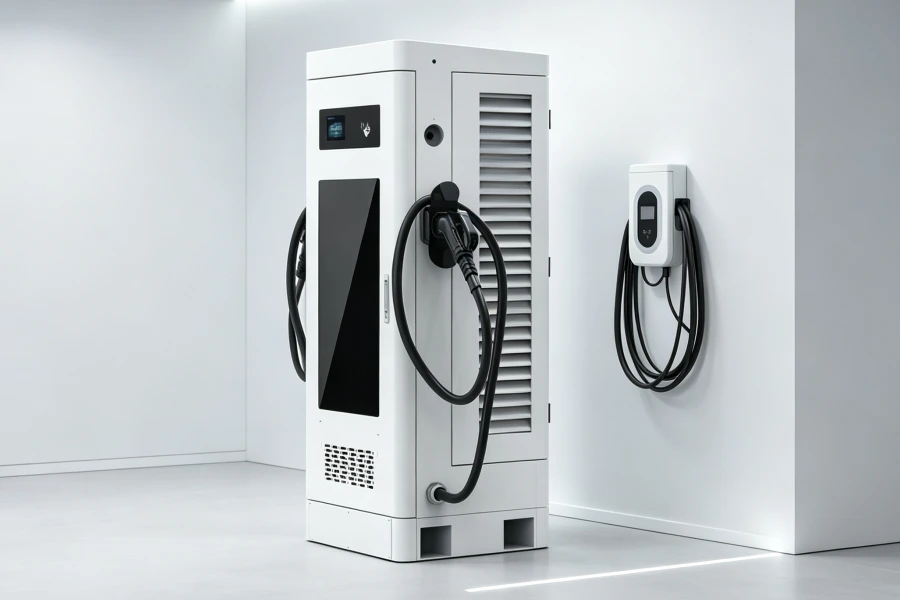
How to Choose the Right Level 3 EV Charger?
Before selecting a Level 3 charging system, businesses should consider:
1. Required Charging Power
Determine whether the project needs:
- 60 kW
- 120 kW
- 240 kW
- 480kW+
- Ultra-fast charging
2. Vehicle Compatibility
Confirm:
- Connector type
- Charging protocol
- Vehicle battery voltage
3. Communication Capability
Commercial chargers should support:
- OCPP 1.6 / 2.0
- Fernüberwachung
- Intelligentes Laden
- Load management
4. Certification Requirements
Depending on the market:
- UL
- cUL
- CE
- IEC-Normen
5. Supplier Capability
A reliable Level 3 EV charger supplier should provide:
- OEM customization
- Technischer Support
- Project design assistance
- Spare parts supply
- Long-term service
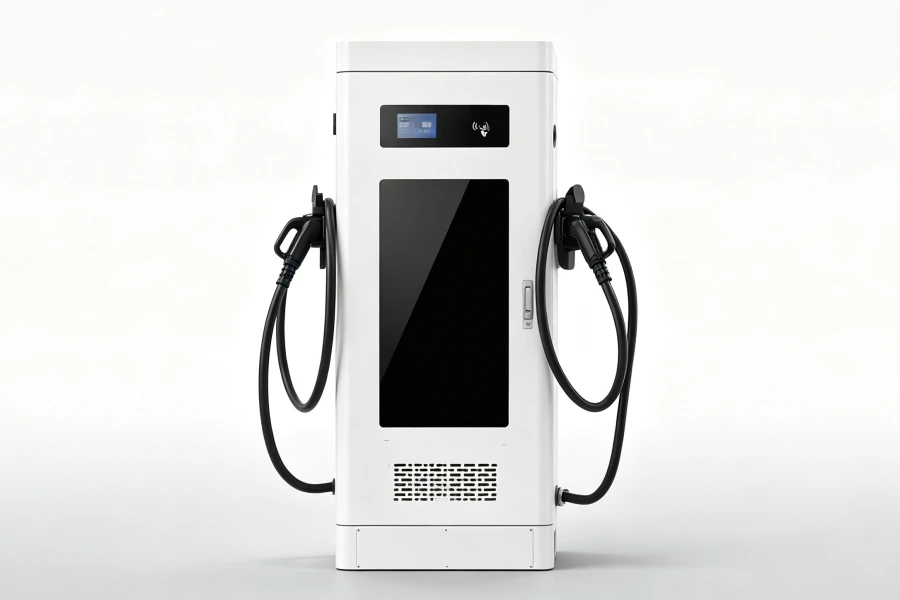
Why Choose Energy Splendor for Level 3 EV Charging Solutions?
Energy Splendor provides commercial and industrial EV charging solutions for global markets, including:
- Gleichstrom-Schnellladegeräte
- Modular charging systems
- Ladelösungen für Fuhrparks
- Solar + BESS integrated charging systems
Our solutions support:
- 60kW to ultra-high-power charging systems
- CCS1 / CCS2 configurations
- OCPP communication
- OEM and customized solutions
We work with EPC companies, charging operators, distributors, and commercial project developers to build reliable EV charging infrastructure worldwide.
Fazit
Level 3 EV chargers are becoming the foundation of modern EV charging infrastructure. With high charging power, intelligent management, and compatibility with renewable energy systems, they enable faster, smarter, and more scalable electric transportation.
For businesses planning EV charging projects in 2026 and beyond, selecting the right Level 3 EV charging solution is essential for long-term operational efficiency and investment return.