


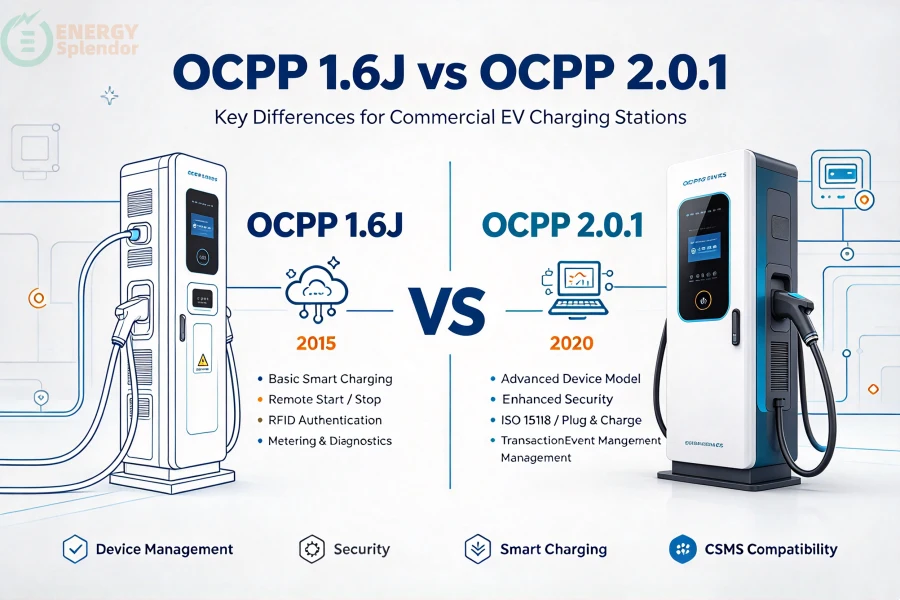
As electric vehicle charging networks continue to expand worldwide, communication between EV charging stations and charging management systems has become increasingly important. For commercial charging station operators, choosing the right communication protocol can affect network compatibility, remote management, security, and long-term operational efficiency. Two widely used versions of the Open Charge Point Protocol (OCPP) are […]
Kategorie-Archive: Blog
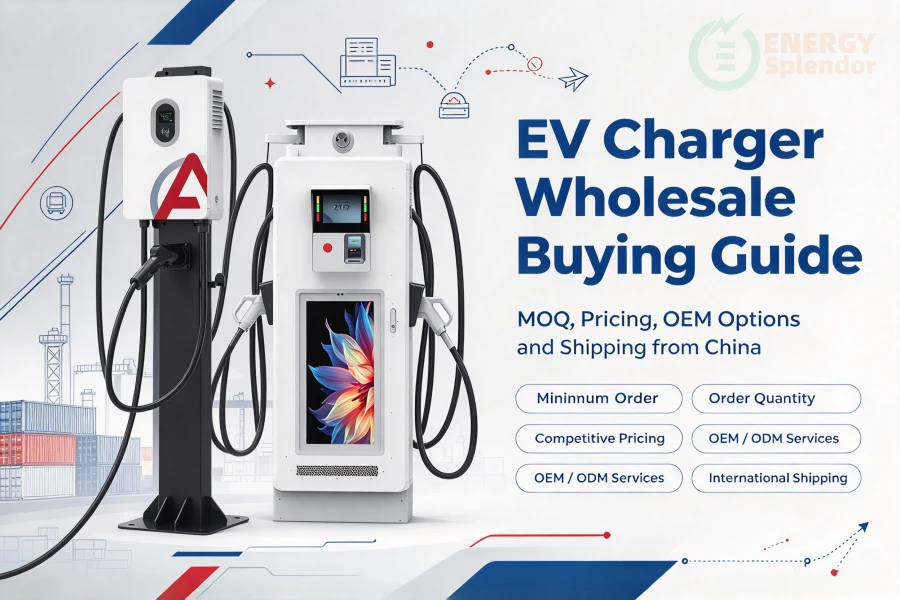
As the global EV market continues to grow, more distributors, importers and energy companies are looking for reliable EV charger wholesale suppliers in China. Buying directly from a Chinese EV charger manufacturer can offer competitive pricing, product customization and flexible supply options. However, before placing an order, buyers need to understand several important factors, including […]
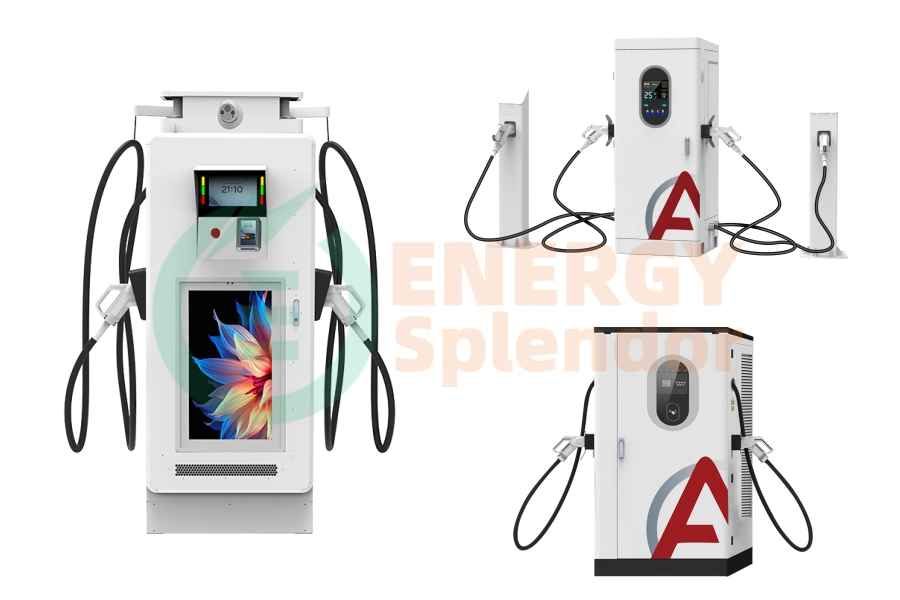
Die Wahl der richtigen Leistung für ein Gleichstrom-Schnellladegerät ist eine wichtige Entscheidung bei der Entwicklung einer kommerziellen EV-Ladestation. Je nach Fahrzeugtyp, täglichem Verkehrsaufkommen, Ladezeit, verfügbarer Netzkapazität und Investitionsbudget stellen verschiedene Ladeprojekte unterschiedliche Anforderungen. Für Betreiber von Ladestationen, Flottenbesitzer und Entwickler von E-Auto-Infrastruktur bieten Gleichstrom-Schnellladegeräte mit 120 kW, 180 kW, 240 kW und 360 kW […]
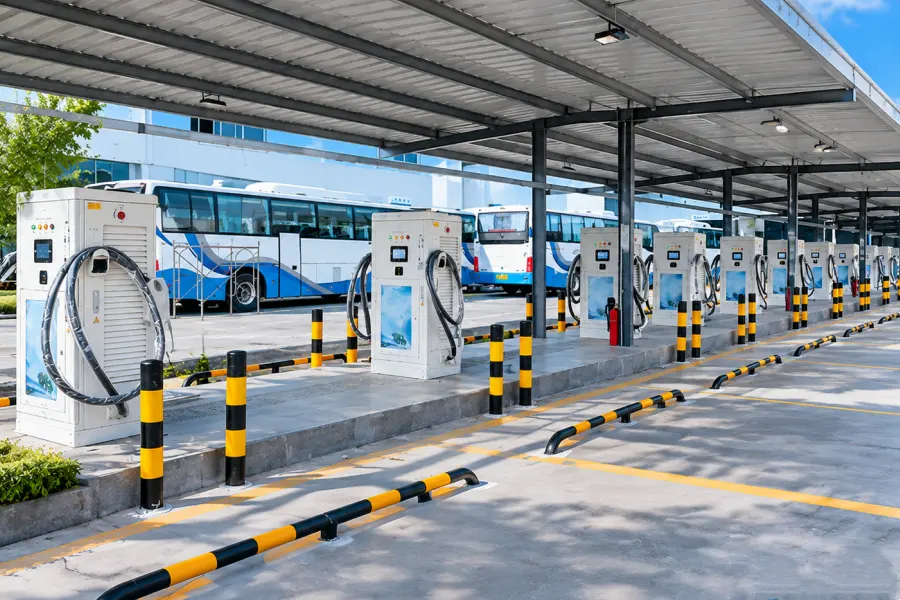
Die weltweite Nachfrage nach Ladeinfrastruktur für Elektrofahrzeuge (EV) eröffnet neue Chancen für Importeure, Händler, Betreiber von Ladenetzwerken und Anbieter von Energielösungen. Mit dem Wachstum des EV-Marktes wenden sich immer mehr Unternehmen an China, um gewerbliche EV-Ladegeräte, Gleichstrom-Schnellladestationen und maßgeschneiderte Ladelösungen zu beziehen. China hat sich zu einem wichtigen Produktionsstandort für Elektrofahrzeuge entwickelt […]
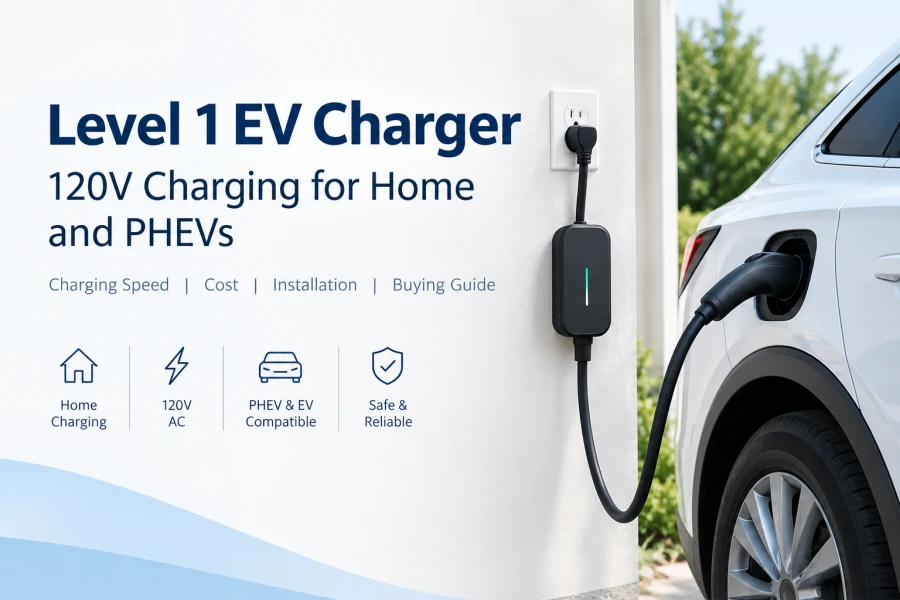
A Level 1 EV charger is the simplest way to charge an electric vehicle at home. Instead of requiring a dedicated high-power electrical circuit, Level 1 charging typically uses a standard 120V AC household outlet in the United States. For drivers with short daily commutes, plug-in hybrid electric vehicles (PHEVs), or convenient overnight charging access, […]
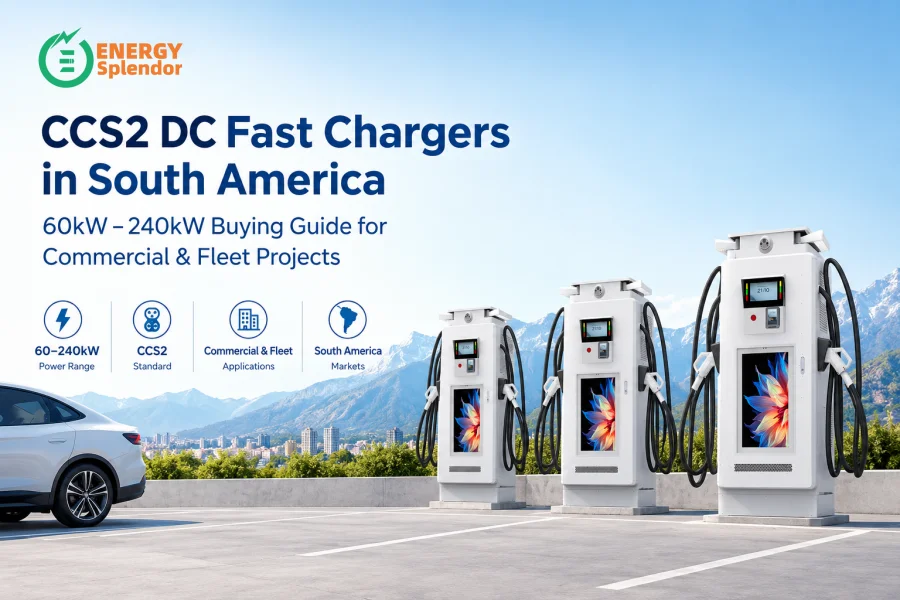
The demand for fast and reliable EV charging infrastructure is increasing across South America, particularly for commercial fleets, public charging networks, logistics operations, dealerships, parking facilities, and highway charging sites. For many new charging projects, CCS2 DC fast charging is becoming an important configuration to consider, especially as more European and Chinese EV models enter […]
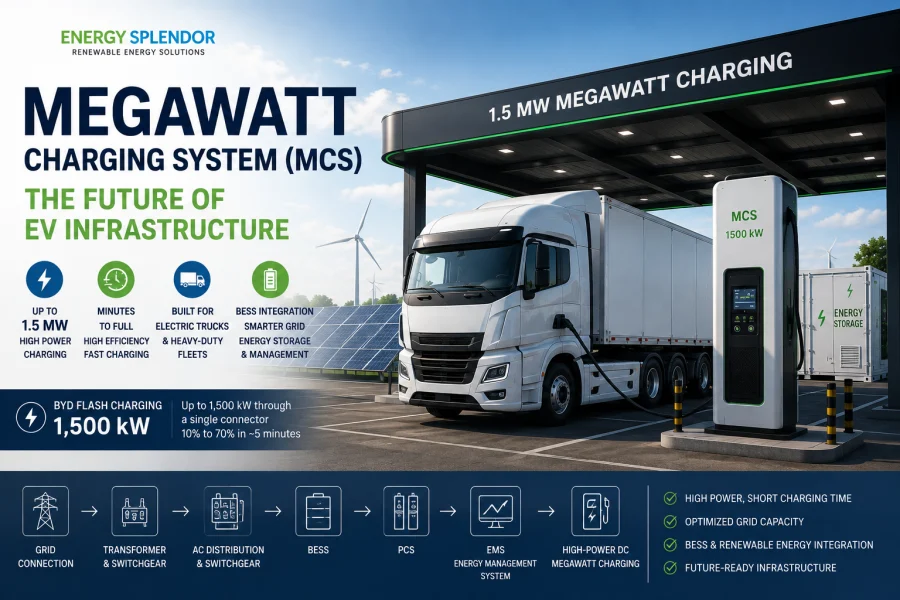
The EV charging industry is entering a new power era. For years, DC fast charging has focused on power levels such as 60 kW, 120 kW, 180 kW, 240 kW and 360 kW. Today, the market is moving toward megawatt-class EV charging, with charging systems capable of delivering 1 MW, 1.2 MW, 1.5 MW and […]
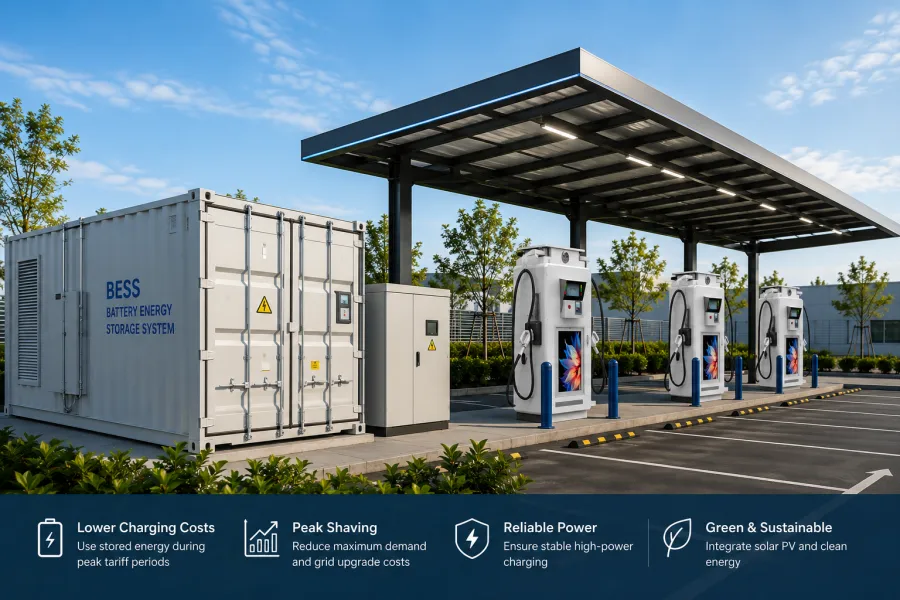
Europe is entering a new stage of electric vehicle infrastructure development. The demand for EV charging is no longer limited to residential AC charging. Commercial fleets, logistics companies, public charging operators, shopping centers, workplaces, highway service areas and industrial facilities increasingly require high-power DC fast charging infrastructure that can support multiple vehicles while managing limited […]
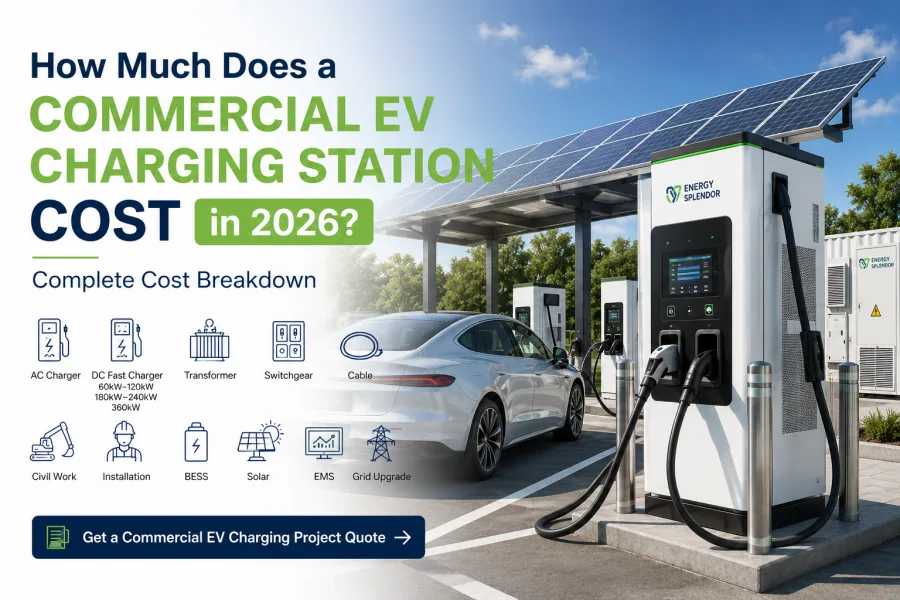
Planning a commercial EV charging station in 2026? The total cost can range from a relatively small investment for several AC chargers to a major infrastructure project involving high-power DC fast chargers, transformers, switchgear, battery energy storage, solar PV, EMS, and utility upgrades. The charger itself is only one part of the total project cost. […]
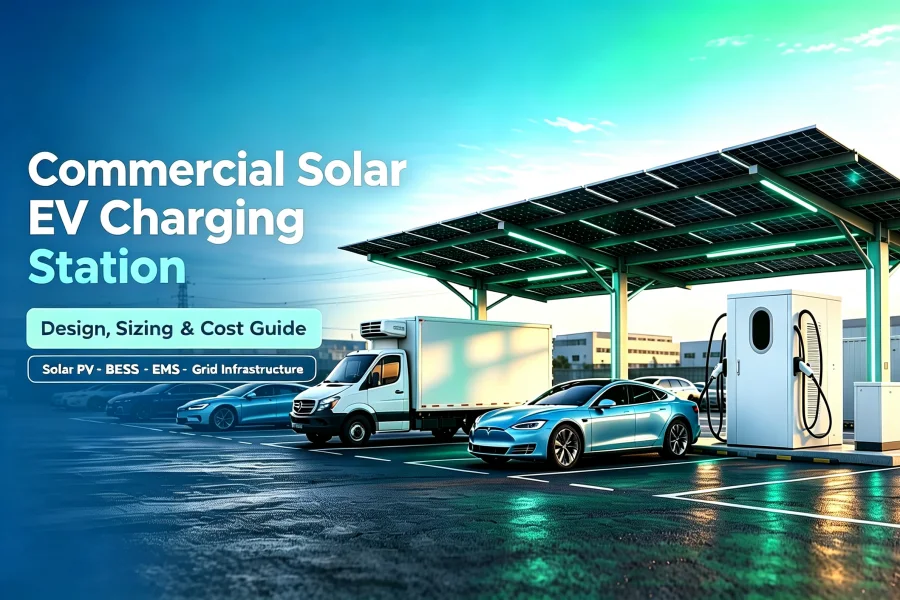
As electric vehicle adoption continues to grow, businesses and fleet operators are facing a new challenge: how to provide high-power EV charging without placing excessive demand on the electrical grid. Installing several DC fast chargers can significantly increase a site’s peak power demand. In many commercial and fleet applications, the existing transformer or utility connection […]