


















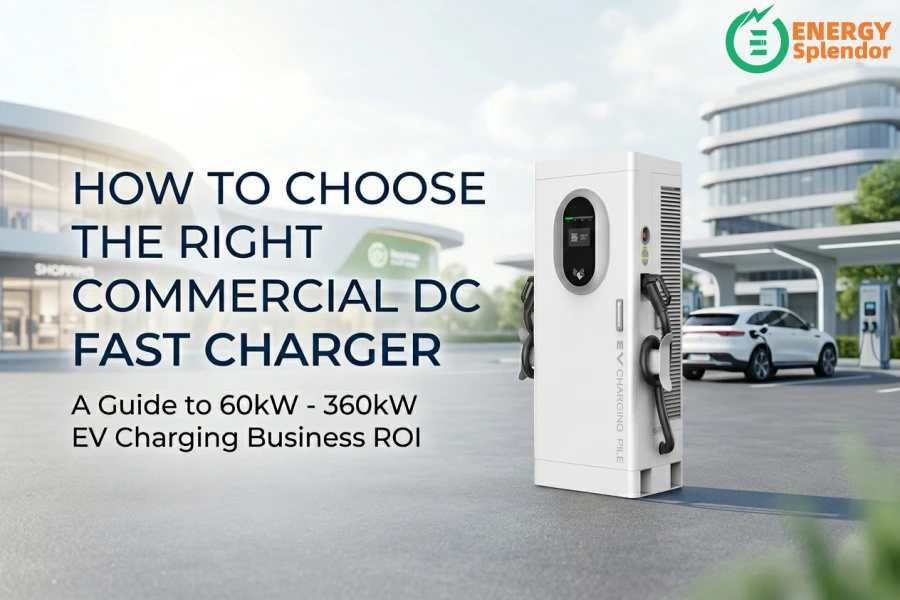
Der weltweite Markt für Elektrofahrzeuge (EV) wächst in einem noch nie dagewesenen Tempo. Für Eigentümer von Gewerbeimmobilien, Fuhrparkmanager und Tankstellenbetreiber ist die Investition in Ladeinfrastruktur für Elektrofahrzeuge keine Option für die Zukunft mehr – sie ist bereits heute eine Notwendigkeit.
Wenn man jedoch in die Welt von Kommerzielle Gleichstrom-Schnellladegeräte kann das ganz schön überwältigend sein. Mit Leistungsbereichen von 60 kW bis 360 kW, woher wissen Sie, welche Ladestation zu Ihrem Geschäftsmodell passt, die Nutzerzufriedenheit maximiert und den schnellsten Return on Investment (ROI) gewährleistet?
In diesem umfassenden Leitfaden werden wir die technischen Spezifikationen, Anwendungsszenarien und wichtige Compliance-Faktoren im Detail erläutern, damit Sie eine fundierte Entscheidung treffen können.
1. Das Leistungsspektrum verstehen: Gleichstrom-Schnellladegeräte von 60 kW bis 360 kW
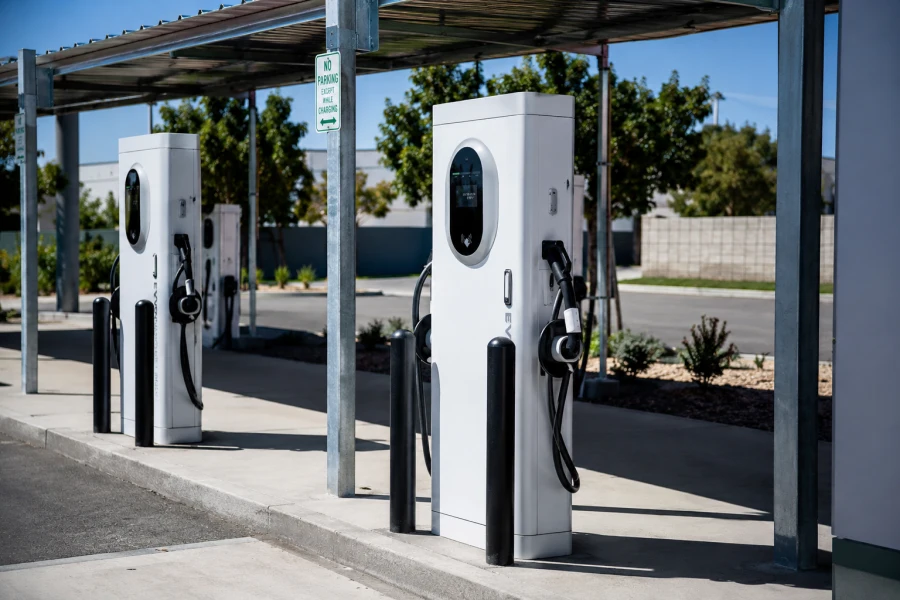
Gleichstrom-Schnellladegeräte (auch als Level-3-Ladegeräte bezeichnet) umgehen das Bordladegerät des Elektrofahrzeugs und speisen Gleichstrom direkt in die Batterie ein. Dadurch verkürzen sich die Ladezeiten im Vergleich zu Wechselstrom-Ladegeräte. Doch “größer” ist nicht immer “besser” für jeden Unternehmensstandort. Sehen wir uns die optimalen Anwendungsfälle für die einzelnen Leistungsstufen an:
60-kW-Gleichstrom-Ladestationen: Der urbane Anlaufpunkt
Ladegeschwindigkeit: Erhöht die Reichweite in 30 Minuten um etwa 100–150 km.
Am besten geeignet für: Wohnanlagen, Supermarktparkplätze, Einkaufszentren und kleine gewerbliche Fuhrparks, in denen die Fahrer 1 bis 2 Stunden verweilen.
Vorteil: Geringerer Netzbedarf und niedrigere Infrastrukturkosten.
120-kW- bis 180-kW-Gleichstrom-Schnellladegeräte: Das hocheffiziente Arbeitstier
Ladegeschwindigkeit: Die meisten Elektrofahrzeuge können in etwa 20 bis 30 Minuten von 20% auf 80% aufgeladen werden.
Am besten geeignet für: Mittelgroße gewerbliche Anlagen, stark frequentierte städtische Ladestationen und gewerbliche Logistikflotten.
Vorteil: Häufig ausgestattet mit Dual-Gun-Technologie (geteilte Leistung), wodurch zwei Fahrzeuge gleichzeitig aufgeladen werden können, was Ihr Umsatzpotenzial pro Stellplatz verdoppelt.
Ultraschnelle Supercharger von 240 kW bis 360 kW: Die Schwergewichte auf der Autobahn und im Depot
Ladegeschwindigkeit: Lädt den 80% in nur 10 bis 15 Minuten auf (abhängig von der Leistungsfähigkeit des Fahrzeugs).
Am besten geeignet für: Raststätten an Autobahnen, Depots für Schwerlast-Lkw, Busbahnhöfe des öffentlichen Nahverkehrs und stark frequentierte Stadtzentren.
Vorteil: Minimiert die Ausfallzeiten der Fahrzeuge und ist damit die ideale Lösung für einen hohen Durchsatz.
2. Wichtige technische Merkmale, auf die man bei einem Hersteller achten sollte
Bei der weltweiten Beschaffung Ihrer Ladestationen für Elektrofahrzeuge ist die Wahl eines Herstellers, der Flexibilität und fortschrittliche Technologie bietet, entscheidend, um Ihre Investition zukunftssicher zu machen.
A. Vollständige Konformität mit dem Open Charge Point Protocol (OCPP 1.6 / 2.0.1)
Binden Sie Ihr Unternehmen niemals an ein geschlossenes, proprietäres System. Stellen Sie sicher, dass Ihr Anbieter Folgendes bereitstellt: OCPP 1.6J-konforme Hardware. Auf diese Weise können Sie Ihre Hardware nahtlos in jede beliebige Lademanagement-Software von Drittanbietern integrieren und so flexible Zahlungsgateways, Ferndiagnosen sowie eine individuelle Benutzerverwaltung nutzen.
B. Unterstützung bei globalen Zertifizierungen und Normen
In verschiedenen Regionen sind strenge Vorschriften einzuhalten, um Sicherheit und Interoperabilität zu gewährleisten. Ihre Infrastruktur muss Folgendes unterstützen:
Anschlüsse: CCS1 (Amerika), CCS2 (Europa), CHAdeMO (Japan) und GB/T (China).
Zertifizierungen: Achten Sie auf robuste Sicherheitsverstärkungen wie CE, TÜV, CSA, FCC, ETL und UL. Diese Zertifikate belegen, dass das Werk die internationalen Vorschriften zur elektrischen Sicherheit und zum Umweltschutz einhält.
C. Intelligente Leistungsaufteilung und modularer Aufbau
Ein hochwertiges Gleichstrom-Ladegerät sollte über ein modulares Stromversorgungsdesign. So lässt sich beispielsweise ein 180-kW-Ladegerät, das aus 30-kW-Leistungsmodulen aufgebaut ist, einfacher und kostengünstiger warten. Fällt ein Modul aus, läuft die Ladestation mit etwas geringerer Leistung weiter, anstatt komplett auszufallen. Darüber hinaus sorgt eine dynamische, intelligente Leistungszuweisung dafür, dass die Ladestation bei Anschluss von zwei Fahrzeugen an ein System mit zwei Ladepistolen die Energie intelligent entsprechend dem Echtzeitbedarf jedes einzelnen Fahrzeugs aufteilt.
3. Der Blick in die Zukunft: Integration von Stromerzeugung, Speicherung und Aufladung (Solar + Speicherung + Elektrofahrzeug)
Da die Netzkapazität in Ballungsgebieten zunehmend zu einem Engpass wird, setzen führende Netzbetreiber zunehmend auf Integration von Foto, Speicher und Gebühr. Durch die Kombination Ihres 60-kW-360-kW-Gleichstrom-Ladegeräte Mit Photovoltaik-Solarmodulen und Batterie-Energiespeichersystemen (BESS) können Sie:
Spitzenlastabdeckung: Speichern Sie nachts günstigen Strom oder erzeugen Sie ihn tagsüber mit Solarenergie und geben Sie ihn dann zu Spitzenzeiten ab, um hohe Spitzengebühren der Energieversorger zu vermeiden.
Netzunabhängigkeit: Schnellladestationen sollten an Standorten installiert werden, an denen das örtliche Stromnetz einen Bedarf von 360 kW nicht direkt decken kann.
Fazit: Sind Sie bereit, Ihre Infrastruktur für grüne Energie aufzubauen?
Bei der Auswahl der richtigen Ladelösung für gewerbliche Elektrofahrzeuge müssen Sie Ihr Anfangsbudget, die lokale Netzkapazität und die Verweildauer Ihrer Zielkunden gegeneinander abwägen.
Bei Energie in ihrer ganzen Pracht, sind wir ein spezialisierter, zertifizierter Hersteller hochwertiger Wechselstrom- und Gleichstrom-Ladestationen mit einer Leistung von 3,5 kW bis 360 kW. Gestützt auf Dutzende von Patenten, ein globales Kundendienstteam für den Außenhandel sowie fortschrittliche Forschung und Entwicklung im Bereich der Integration von Photovoltaik, Speicherung und Ladetechnik unterstützen wir Unternehmen weltweit beim Aufbau skalierbarer, zuverlässiger und rentabler Ladenetzwerke.
Wenden Sie sich noch heute an unser Ingenieurteam für eine kostenlose Beratung und maßgeschneiderte Projektbeispiele, die Sie auf Ihrem Weg in eine grünere Zukunft unterstützen.